
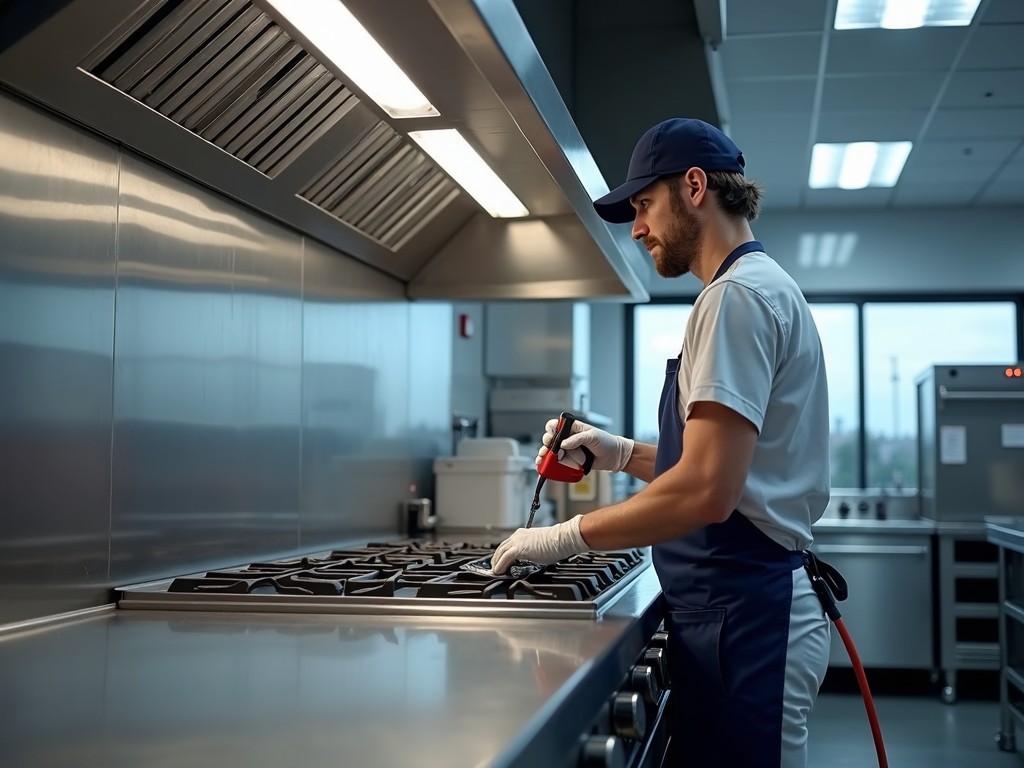
Running a commercial kitchen means juggling speed, safety, and compliance. With all that going on, the exhaust system doesn’t always get the attention it deserves. But the truth is, neglecting it can lead to serious consequences. Think fire hazards, code violations, and expensive repairs.
So, how often should it be professionally cleaned?
The Risks of Ignoring Exhaust Cleaning
Grease doesn’t just sit in the pan. As hot air rises from cooking equipment, it carries grease particles with it, pulling them into the hood and ventilation system. Over time, these particles build up throughout the ductwork, filters, and fans.
Once enough grease collects, it becomes a serious fire hazard. It also blocks airflow, stresses your ventilation system, and affects kitchen air quality. Many fire marshals and insurance providers don’t just recommend regular cleanings; they require them. So this isn’t just about best practice, it’s about legal responsibility too.
What Determines Cleaning Frequency?
There’s no universal timeline for how often to invest in exhaust hood cleaning The Woodlands or similar areas. It depends entirely on how much you cook, what you cook, and how often your kitchen operates. Regulations usually follow a tiered approach.
High-use kitchens, like fast food, diners, or 24-hour operations, typically need cleaning every month. These kitchens generate a lot of grease quickly. If solid fuels like wood or charcoal are involved, cleaning may even be required more frequently.
Medium-use operations, like full-service restaurants or hotels, generally fall into the three-month range. These kitchens cook regularly, but not at the nonstop pace of a high-volume diner.
Low-use or seasonal kitchens, such as in community centers, churches, or small event spaces, can often follow a six- to twelve-month schedule. But even these spaces need at least an annual clean to meet code.
What a Proper Cleaning Should Include
When handled by professionals, exhaust system cleaning isn’t just about wiping down the hood. It’s a full system service. That means accessing parts of the ventilation system most people never see, including deep into the ductwork and the rooftop fan.
Professionals will remove and soak grease filters, scrape out the inside of ducts, clean the fan blades, and degrease the hood. They may also use access panels to reach tricky areas. This process requires the right equipment and training, which is why this job is not suited to a DIY approach.
They’ll often inspect the system while cleaning too. If there’s wear on the fan belt, damage inside the ducts, or signs of airflow issues, it gets flagged early, before it turns into a breakdown or safety violation.
Legal Requirements and Compliance
The rules around exhaust cleaning aren’t just industry suggestions. Most cities and states follow guidelines similar to those set by the National Fire Protection Association (NFPA). These guidelines are clear about cleaning intervals and also require that cleanings are performed by qualified professionals.
Failure to comply can lead to major consequences. You might face fines, failed health inspections, higher insurance costs, or worse, a grease fire that could have been prevented. And yes, fire inspectors can ask to see records of previous cleanings. That means every service should be documented and accessible.
When Sooner Is Better
Even with a good schedule in place, sometimes your system needs cleaning ahead of time. There are signs to look out for.
If you notice grease dripping from the hood, odors lingering longer than usual, or smoke not clearing as fast, those are warning signs. You might also hear the fan working harder than normal or see increased energy bills due to poor airflow.
These aren’t things to wait on. A quick check by a professional can prevent small issues from turning into expensive problems.
Building a Cleaning Plan That Works
It’s easy to overlook maintenance tasks when the kitchen is busy. But staying on top of your exhaust system cleaning doesn’t have to be a hassle. A set schedule makes all the difference.
Once you’ve determined your frequency based on your kitchen’s usage, partner with a professional service you trust. Certified cleaners will follow safety protocols and ensure your system meets the legal standards. Keep the records from each service organized so they’re ready for any inspection.
If you have a large team, make sure your kitchen staff is aware of what clean systems should look and smell like. They’re the first line of defense for spotting early signs of grease buildup.
Why It All Matters
The exhaust system may not be the flashiest part of your kitchen, but it’s one of the most critical. A clean system supports fire safety, improves air quality, and helps your kitchen run smoothly. It also keeps you in good standing with fire departments, health inspectors, and insurance providers.
Skipping or delaying a professional cleaning doesn’t save money. It just moves the risk down the line. And when it catches up, the cost is always higher.
Don’t Let Grease Set the Schedule
Grease never takes time off, and it doesn’t care how busy your kitchen is. If your exhaust system isn’t cleaned regularly, it’s only a matter of time before performance drops or safety becomes an issue. Stay ahead of it, know your schedule, stick to it, and always leave the cleaning to the pros.