
What Actually Goes Into Planning Security for Large-Scale Events
Contrary to popular belief, planning security for a large-scale event doesn’t happen overnight. There’s an extensive process that begins weeks or even months before a single guest walks through the door. This isn’t to say that security isn’t in place; however, effective security is more about planning than staffing, positioning, and anticipating what could go wrong instead of waiting for everything to get into place before making the effort.
For many people, the illusion of security takes place when the event runs smoothly, security personnel are present at all entry and exit points, crowd control is managed, and people are where they are supposed to be at the right times. Yet there are hours of planning, walkthroughs of sites, and pre-event briefings that go into creating a successful event security operation.
The Risk Assessment for Each Event
No two events are ever the same and that’s part of the planning process. A security professional needs to determine what type of event they are guarding. For example, a corporate meeting is not approached the same way a music festival is approached. A music festival isn’t approached in the same way as a sporting event. Yes, crowd size determines this, but so does crowd type, venue size, entrance and exit points, and the time of day.
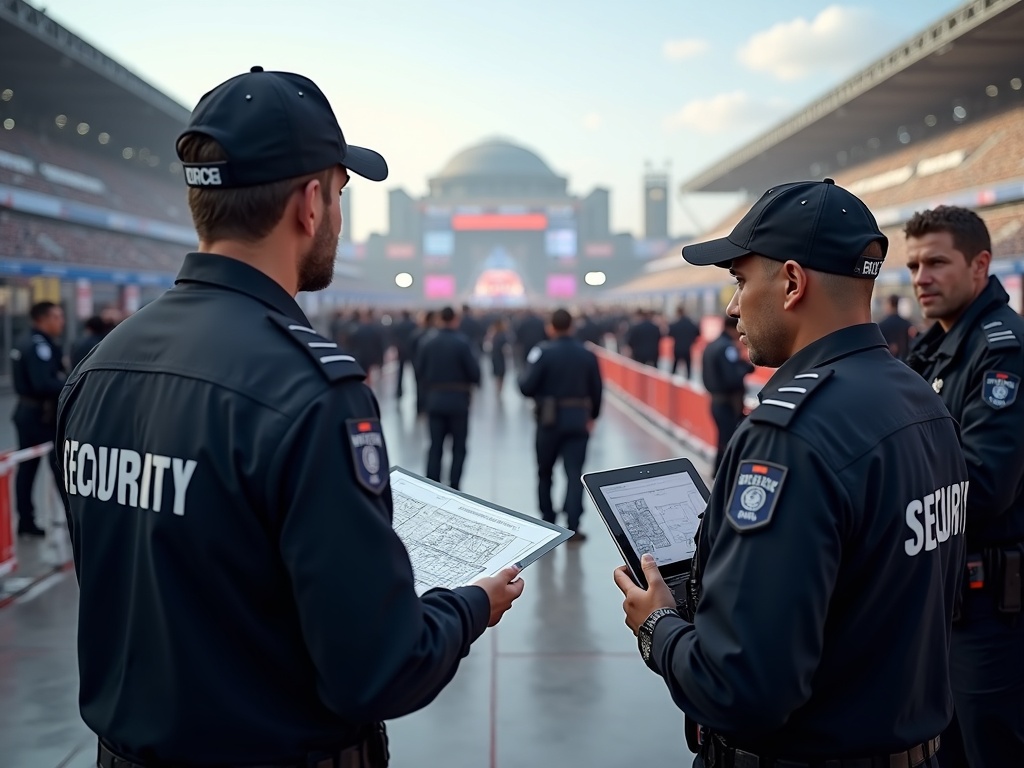
A risk assessment usually involves a walkthrough of the venue. At least one time—if not multiple—professionals familiarize themselves with entry and exit points, potential hotspots (where issues can arise), easy-to-view areas, and potential spots that may be more difficult to manage without personnel assigned. They also assess outside considerations—what could happen in the immediate vicinity and where people will enter and exit and specific threats that they may need to prepare for.
The point of this assessment is to catch things before they happen and when trained Event Security Guards Melbourne utilize this portion appropriately, they are already steps ahead of anything that might go wrong.
Assigning Personnel and Positioning
Once an assessment takes place successfully, it’s time to assign personnel and position. This does not mean putting someone at every door; this means assessing crowd flow, high-traffic areas, and areas that may need more attention than others.
In addition, different positions require different personality types. The person checking IDs at a VIP entrance needs to have interpersonal skills and attention to detail. The person managing the general admission crowd must be able to gauge situations and remain calm while observing entry procedures. A team leader must manage a few people while keeping sight of the bigger picture.
Staffing levels are determined based on estimated attendance numbers, venue size, position needs, and required reinforcement to give people the safest experience possible.
Communication Systems
Unmentioned enough but critical to a successful event is communication systems that actually work. Personnel must be in touch with one another throughout a large venue; if not, proper communications can’t take place.
Whether there are radios, channeled systems for different teams and backup systems—or all three—communication systems consist of personnel on the ground reporting back what they see in real-time. If there is an emergency on one side of a venue (medical emergency), another issue on another side (crowd surge), or any immediacy developing that requires manager attention, communication must travel fast.
The speed of response time is only as good as the systems in place. This means a center or point of coordination from where all information is funneled must exist. Someone needs to know what’s going on at all times.
Crowd Management
Crowd management comes down to barriers, signs, personnel placement, redirection as needed—and anticipation of where crowds could bottleneck or become an issue. If crowds can be preemptively avoided from jamming up against each other or getting stuck in tight corners, the event will run better.
Entry procedures are of utmost importance as well. No one wants to stand around waiting to get into an event but cutting corners could create major risks. It’s important to communicate this balance between what security needs and what will keep things moving.
It’s just as important to have an exit plan as it is an entry plan. Thousands of people could be exiting at one time and security teams need to be prepared not only with transportation areas but areas where crowds should be moving so they can leave safely.
Emergency Procedures
Every actual security plan has emergency procedures associated with it. What happens if there is a medical emergency? How does one treat a fire alarm response? What’s an evacuation plan?
These aren’t hypothetical questions either—security must be briefed on emergency protocols (the emergency exits) any and all evacuation plans should something serious take place, where medical stations exist should one be required, if emergency services should be called who does this—in other words, their role should any major occurrences happen.
The best event security hopes they never have to utilize their precautions but they’re always ready for it.
Coordination with Venue Staff/Organizers
There is rarely ever a time when security operates in a vacuum; there’s constant coordination with event organizers who need certain things done or avoided at certain times under chain-of-command circumstances. The venue staff need awareness as do local authorities/emergency services should anything go down outside in the immediate vicinity or entrance points/door control points in preparation for organized egress to avoid critical incidents from happening.
A pre-event meeting brings everyone into the fold so that each area of operation understands what’s going on. During the event there’s consistent communication until the event strikes on objectives.
Final Thoughts
Considering how much goes into things like risk assessments or staffing projects or talking about communications systems, it’s easy for outsiders to believe extensive planning is overkill. Until people realize what’s at stake.
When these hours of prep go in—risk assessments and proper coordination—all to create an environment where someone thinks they can go enjoy themselves and not think about their safety concerns unless they arise—it was worth it because people look forward to those large-scale events as once-in-a-lifetime opportunities.
With so many people coming together for large-scale events, it’s important for those possibilities behind-the-scenes to create positive memories instead.