
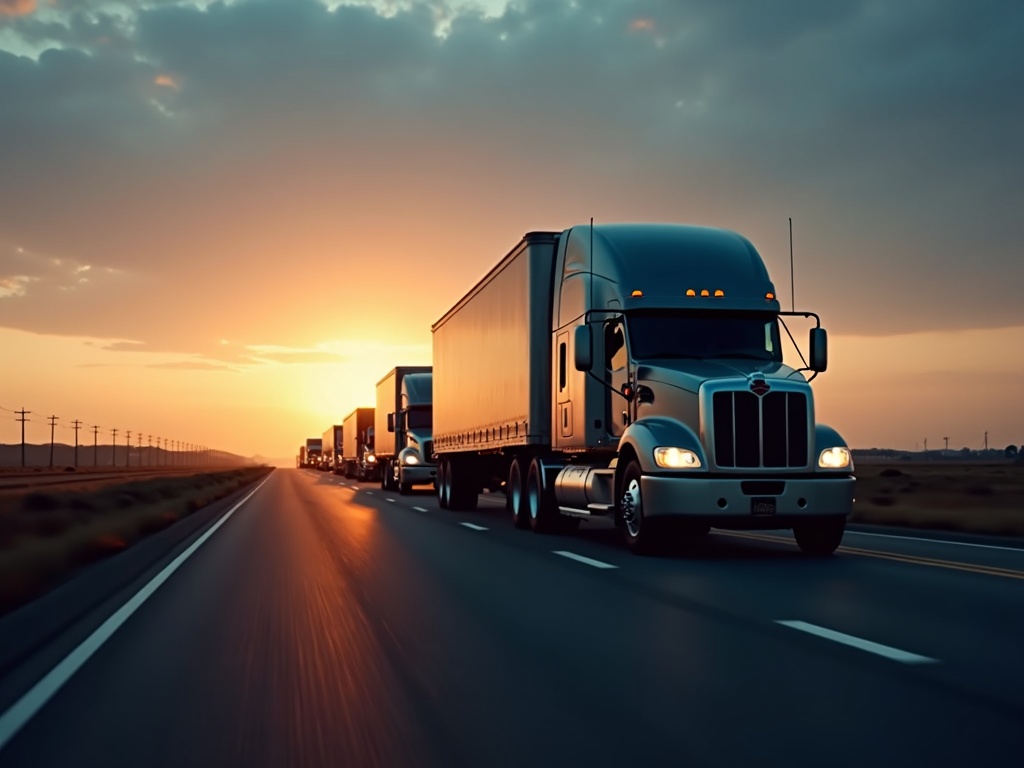
5 Essential Technologies Transforming Modern Fleet Management
The trucking industry faces challenges such as fuel costs, driver shortages, regulations, and litigation. Technology is no longer optional for fleets in this situation. It keeps them in business. Below are five such technologies that are altering how fleets function and why they are essential beyond boosting productivity.
AI Telematics: Moving Past Passive Tracking
Early GPS systems provided information about the location of a truck. However, modern telematics offer real-time information about what is happening in the cab of the truck. Telematics platforms that leverage AI access data from the vehicle’s CAN bus, which is the network that provides visibility into engine health and diagnostics, fuel consumption, braking patterns, and the engine’s RPMs. That data is then passed through behavioral analysis models that can identify risky behaviors before they lead to an incident.
One of the more notable outcomes of driver behavior monitoring is fatigue detection. Systems that track eye movements and head movements can determine if a driver is beginning to actually doze and then prompt an in cab alert that allows the driver to pull over and wake up. When combined with behavior monitoring that tracks aggressive braking and acceleration, the system can give the fleet manager a true overview of what is going on with their fleet rather than just a summary of dispatch complaints.
Video Telematics and the Nuclear Verdict Problem
The legal risk for trucking companies is growing fast. The average verdict in trucking crash litigation resolved in court increased from $2.3 million to $22.3 million over a five-year study period, a 967% increase (American Transportation Research Institute). That’s not a rounding error. That’s a company-ending number.
Because when it’s your word against a plaintiff’s in court, it’s a safe bet the jury will often side with the plaintiff. Video evidence removes the ambiguity. Most modern commercial truck camera systems record high-definition video from the front, driver-facing, and one or two side views. These also include GPS data and a real-time clock, making it possible to synchronize that video from multiple sources with millisecond accuracy.
Predictive Maintenance: Fixing Problems Before They Strand You
Regular maintenance such as changing filters and fluids at set intervals regardless of the actual condition of the vehicle is no longer necessary. The problem with this old practice is that breakdowns don’t adhere to schedules. A truck can be inspected on a Monday and somewhere between five to seven business days later suffer a catastrophic failure, leaving the driver stranded with a load that’s not going to deliver itself.
CAN bus predictive maintenance technology changes everything. Sensors embedded throughout the drivetrain send data back about brake wear, oil temperature, coolant pressure, and dozens of other variables. Maintenance engineers can look at that data and identify parts that are about to fail and fix them before the truck’s engine light comes on and the driver is stuck on the side of I-91.
The cost difference between a planned shop visit and an unplanned roadside shop visit, which includes towing the truck to the shop, driver downtime, and expedited parts, is astronomical. For fleets working on a four to eight percent profit margin, predictive maintenance might pay for itself in the first four months.
Route Optimization That Adapts in Real Time
Pre-planning a set route and following it rigidly is ineffective nowadays due to unexpected factors such as accidents, weather conditions, or road construction. It is highly possible that the planned route is no longer the best option by the time the driver begins the trip on the highway.
Dynamic route optimization software uses real-time traffic information, weather updates, and delivery limitations to constantly rethink routes during the day. Idle time reduction is one of the most direct ways to save fuel for a fleet, so these tools are especially effective as they help trucks remain active and avoid unnecessary delays. Geofencing rules can also be implemented by some of these solutions and send automatic alerts to dispatchers when a truck leaves an approved route.
IoT Cargo Monitoring: Protecting What’s in the Trailer
When we talk about technology in trucking, it’s almost always in terms of the cab and the driver. The trailer never gets enough love, and that’s a problem when the cargo has stringent handling requirements.
A growing number of smart IoT sensors monitor temperature, humidity, and trailer door events in real time, transmitting the data back to operations over the course of a haul. When it comes to pharmaceuticals, food products, and other perishables, this kind of monitoring isn’t optional, many regulatory standards require documented proof of continuous temperature compliance. A sensor that alerts you to a refrigeration failure four hours into a twelve-hour run just saved the cargo. And there may be no way to tell that anything’s wrong with the shipment at delivery.
That sensor data also doubles as documentation in disputes over the condition of the cargo. It’s the same principle as video telematics, when you have objective data, contested claims don’t hold up so well.
None of these technologies work best in isolation. The fleets getting the most out of them are integrating camera footage, telematics alerts, sensor logs, and route data into a single operational view. That integration is what turns five separate tools into a system that actually protects the business, from the road, from the courtroom, and from the costs that come with running blind.