
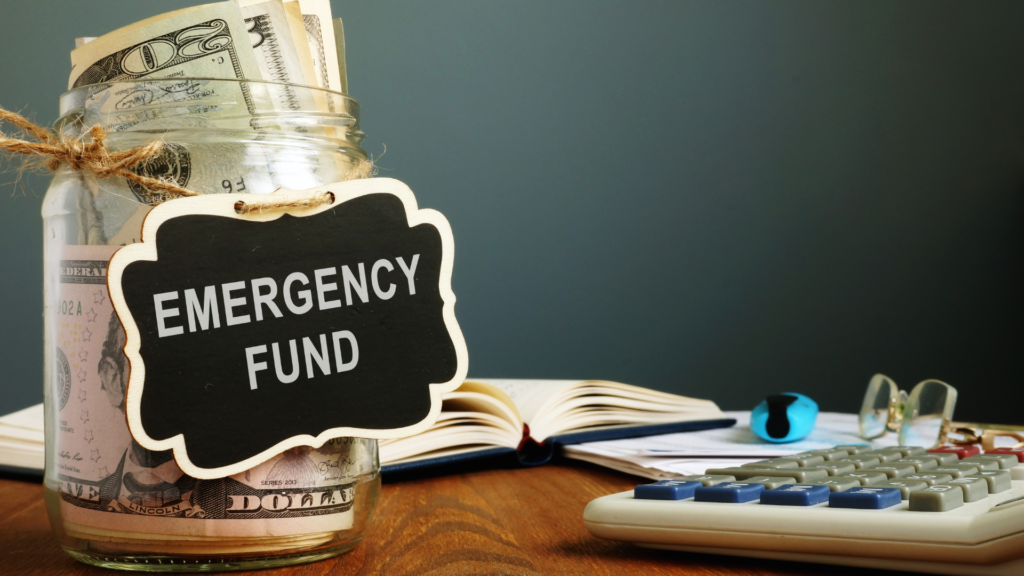
Building an emergency fund is a crucial step in achieving financial stability. An effective strategy to create an emergency fund in just six months is to save at least three to six months’ worth of essential living expenses. This approach not only provides a safety net but also fosters a sense of financial security.
Creating a budget is the first step towards reaching this goal. By tracking income and expenses, individuals can identify areas where they can cut back and allocate savings towards their emergency fund. Setting specific monthly savings targets based on their budget will keep them on track.
Additionally, exploring side hustles or extra income opportunities can significantly boost savings. By increasing their income streams, people can reach their emergency fund target more efficiently, ensuring they are prepared for unexpected expenses.
Understanding the Importance of an Emergency Fund
An emergency fund acts as a crucial financial safety net, providing peace of mind in times of unexpected expenses. Building this fund can help individuals achieve financial security and avoid stress during emergencies.
Defining an Emergency Fund
An emergency fund is a dedicated savings account specifically set aside for unforeseen circumstances. These might include medical emergencies, car repairs, or job loss. Financial experts recommend having three to six months’ worth of living expenses saved in this fund.
It should be easily accessible but separate from regular spending accounts. This distinction ensures that the funds are not spent on everyday items but reserved strictly for emergencies. Establishing this fund protects individuals from falling into debt during unexpected events.
Benefits of Having Financial Security
Having an emergency fund offers several benefits that contribute to an individual’s overall well-being. First and foremost, it provides peace of mind. Knowing there are funds available for emergencies alleviates financial stress.
Secondly, it enables individuals to respond quickly to unexpected expenses, reducing reliance on credit cards or loans. This minimizes potential debt and interest payments, contributing to long-term financial health. Lastly, an emergency fund fosters confidence in personal finance management, empowering individuals to make better financial decisions in the future.
Setting Your Emergency Fund Goal
Establishing an emergency fund starts with clearly defining financial needs. A well-defined savings goal guides the amount to save within a designated timeframe, ensuring adequate preparedness for unexpected expenses.
Assessing Your Financial Needs
To build an effective emergency fund, one must first assess their financial needs. This involves calculating essential living expenses such as rent, utilities, groceries, and transportation costs.
He or she should consider both fixed and variable expenses. This helps identify how much money is necessary to cover essential living costs for a set period, typically three to six months.
Utilizing a budgeting tool or spreadsheet may aid in itemizing and totaling these costs. Understanding these figures lays the groundwork for setting a practical savings target.
Determining Your Savings Goal
Once financial needs are assessed, determining a savings goal becomes the next step. A common recommendation is to aim for three to six months’ worth of living expenses.
For example, if monthly expenses total $2,500, the savings goal should range from $7,500 to $15,000.
Establishing a clear goal provides motivation to save regularly. Setting smaller milestones, such as saving a certain percentage of income each month, can also facilitate progress toward the larger target.
Creating a timeline can help track achievements, making the goal feel more attainable. This structured approach ensures that the emergency fund is built methodically and effectively.
Strategies for Building Your Fund Efficiently
Building an emergency fund is essential for financial security. Effective strategies include creating a realistic budget, increasing income through various means, and reducing unnecessary expenses.
Creating a Realistic Budget
A well-structured budget is the foundation of effective saving. It allows individuals to manage monthly expenses and identify areas where they can cut costs.
To create a budget, list all sources of income and categorize monthly expenses. Separate necessary expenses, like rent and utilities, from discretionary ones, such as dining out or entertainment.
Using a budgeting app or spreadsheet can help track progress. Individuals should aim to allocate a specific percentage of their income to savings each month. Setting clear goals makes reaching target savings more manageable.
Increasing Your Income
Finding ways to increase income can significantly boost an emergency fund. Exploring side hustles or part-time jobs in the gig economy presents numerous opportunities.
Examples include freelance work, online tutoring, or delivery services. These can be flexible and fit around existing job commitments.
Additionally, individuals can seek overtime hours at their current job or negotiate a raise if performance merits it. Every extra dollar earned can be directed towards savings, hastening the timeline to reach the goal.
Reducing Unnecessary Expenses
Identifying and cutting unnecessary expenses is another effective strategy for building an emergency fund. Small decisions can lead to significant savings over time.
Tactics include meal planning to reduce food costs, canceling unused subscriptions, and adjusting utility habits to save on bills. While changing daily habits helps, addressing physical waste in the home yields larger long-term savings. High energy bills often stem from poor draft protection and old insulation. Investing in professional residential insulation services lowers heating and cooling costs because it keeps conditioned air inside. This simple home upgrade reduces monthly utility expenses permanently, so homeowners can put more money toward their savings goals. Over time, the reduction in monthly bills easily offsets the initial cost of the upgrade.
Additionally, shopping sales and using coupons can lower grocery and household expenses. By adopting a more frugal mindset, individuals can redirect those funds into their emergency savings. Consistency in frugality leads to accumulating a robust financial buffer.
Optimizing Your Savings
To build an emergency fund effectively, it is crucial to choose the right savings vehicle, make the most of unexpected financial gains, and automate savings contributions. Each of these strategies can significantly enhance savings efforts.
Choosing the Right Savings Account
Selecting an appropriate savings account is essential for maximizing savings. A high-yield savings account typically offers better interest rates than a standard savings account, making it a more appealing choice. Compare rates across various banks and credit unions to find the most competitive options.
Another alternative is a money market account, which can provide higher interest rates while offering some check-writing capabilities. It’s vital to consider factors such as minimum balance requirements and fees.
Also, ensure that the account is federally insured. This provides protection up to $250,000, giving you peace of mind while your funds grow.
Leveraging Windfalls and Tax Refunds
Windfalls, such as bonuses or tax refunds, can provide a substantial boost to an emergency fund. Instead of spending these unexpected amounts, allocate them towards savings goals.
For instance, if a tax refund equals $1,000, depositing this directly into a high-yield savings account can significantly accelerate fund growth. This method not only increases the fund quickly but also allows for the interest to accrue faster.
Encouraging the habit of reserving a portion of any financial windfall can help maintain the focus on savings. A strategy is to set a standard percentage of any windfall to contribute directly to the emergency fund.
Automating Your Savings
Automation is a powerful tool for building an emergency fund. Setting up direct deposit from a paycheck into a high-yield savings account simplifies the saving process. By automating a specified amount to transfer on a regular basis, she can save without the temptation to spend.
It’s also beneficial to automate contributions from cash back earned through credit cards. This allows for additional savings with minimal effort.
Creating a budget that includes these automated transfers ensures consistent progress towards savings goals. This disciplined approach minimizes the risk of neglecting savings in favor of everyday expenses.