
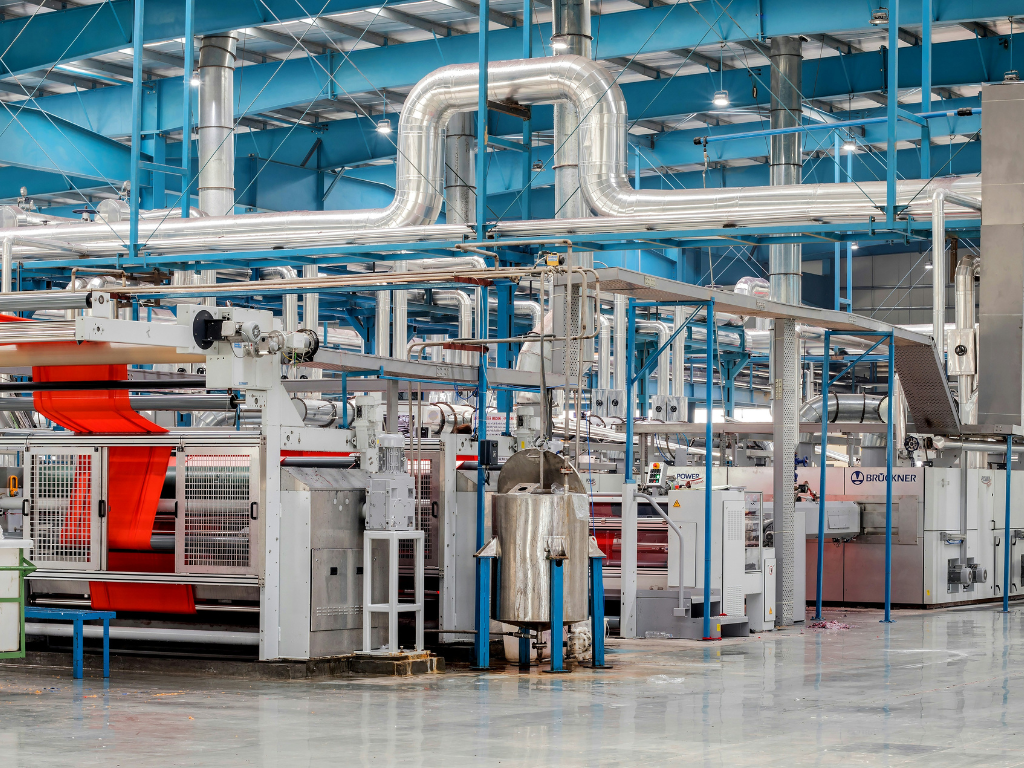
Have you ever watched a jackhammer breaking up concrete and wondered how it gets so much power? Or maybe you’ve seen those super-fast nail guns that construction workers use? The secret behind many of these powerful tools isn’t electricity or gasoline – it’s something much simpler and cheaper that’s all around us: air.
Factories and construction sites are full of machines that run on compressed air, and they’re some of the most reliable helpers workers have. These air-powered systems have been making difficult jobs easier for more than a century, and they’re still one of the best ways to get things done when you need serious power.
How Air Becomes a Powerhouse
Think about blowing up a balloon. When you squeeze the neck and let it go, all that compressed air shoots out with enough force to send the balloon flying across the room. Factory air systems work on the same basic idea, but instead of powering toy balloons, they’re moving heavy machinery and tools.
The process starts with a big compressor that takes regular air from the atmosphere and squeezes it into much smaller spaces. This compressed air gets stored in tanks, kind of like giant metal bottles that hold all that squeezed-up air until machines need it. When a tool or machine needs power, the compressed air gets released through carefully designed pathways that turn that air pressure into motion.
What makes this system so great is that air is free, clean, and never runs out. Unlike electric motors that can overheat or gas engines that need fuel, air-powered tools can run all day without taking breaks. They’re also much safer around water and in places where sparks could be dangerous.
The Workhorses of Modern Manufacturing
Walk through any factory floor and you’ll see compressed air systems everywhere. Some of the most important ones are the tools that help materials flow smoothly through production processes. When powdered materials or small parts get stuck in hoppers or conveyor systems, special vibrating equipment powered by compressed air can shake everything loose and keep production moving.
An air piston vibrator is one of these essential tools that factories depend on every day. These devices use bursts of compressed air to create controlled vibrations that prevent materials from clumping together or getting stuck in bins and chutes. Without these helpful vibrations, many production lines would grind to a halt when materials stop flowing properly.
The beauty of these air-powered vibrators is their simplicity. They don’t have complex electrical parts that can break down, and they can work in dusty, hot, or wet conditions that would damage other types of equipment. Factory managers love them because they’re tough, reliable, and easy to maintain.
Beyond the Factory Floor
Air-powered systems aren’t just limited to manufacturing plants. Construction sites use pneumatic jackhammers to break through tough surfaces, and those super-efficient nail guns that can drive dozens of nails per minute all run on compressed air. Even dental offices use tiny air-powered tools for precise work that requires gentle but consistent power.
In automotive shops, compressed air runs everything from impact wrenches that can remove stubborn bolts to paint sprayers that give cars their perfect finish. The consistent pressure and clean operation of air-powered tools make them perfect for jobs where precision matters.
One of the coolest applications is in food processing plants, where air-powered equipment helps package everything from potato chips to breakfast cereal. Since compressed air is clean and doesn’t produce any harmful emissions, it’s safe to use around food products. These systems can fill bags, seal packages, and move products along conveyor belts without any risk of contamination.
Why Air Wins Over Other Power Sources
Compared to electric or hydraulic systems, compressed air has some major advantages. Electric tools can be dangerous around water, and hydraulic systems can leak messy oil that’s expensive to clean up. Air-powered tools are much simpler – if they develop a leak, it’s just air escaping, which doesn’t hurt anything or create environmental problems.
Maintenance is another big win for air systems. Most air-powered tools have only a few moving parts, so there’s less that can break down. When something does need fixing, the parts are usually simple and inexpensive. Many factories find that their air-powered equipment lasts decades with just basic maintenance.
The power-to-weight ratio is impressive too. A small air-powered tool can generate tremendous force without being heavy or bulky. This makes them perfect for jobs where workers need to handle tools for long periods or work in tight spaces.
Keeping Everything Running Smoothly
Modern factories depend on air-powered helpers to maintain the smooth flow of materials and products. From preventing jams in processing equipment to powering assembly tools, compressed air systems are the invisible workforce that keeps production running efficiently.
These systems represent smart engineering at its best – taking something as simple as air and turning it into a reliable source of industrial power. The next time you see construction work or visit a manufacturing facility, take a moment to appreciate all the air-powered helpers working behind the scenes to make difficult jobs look easy.