
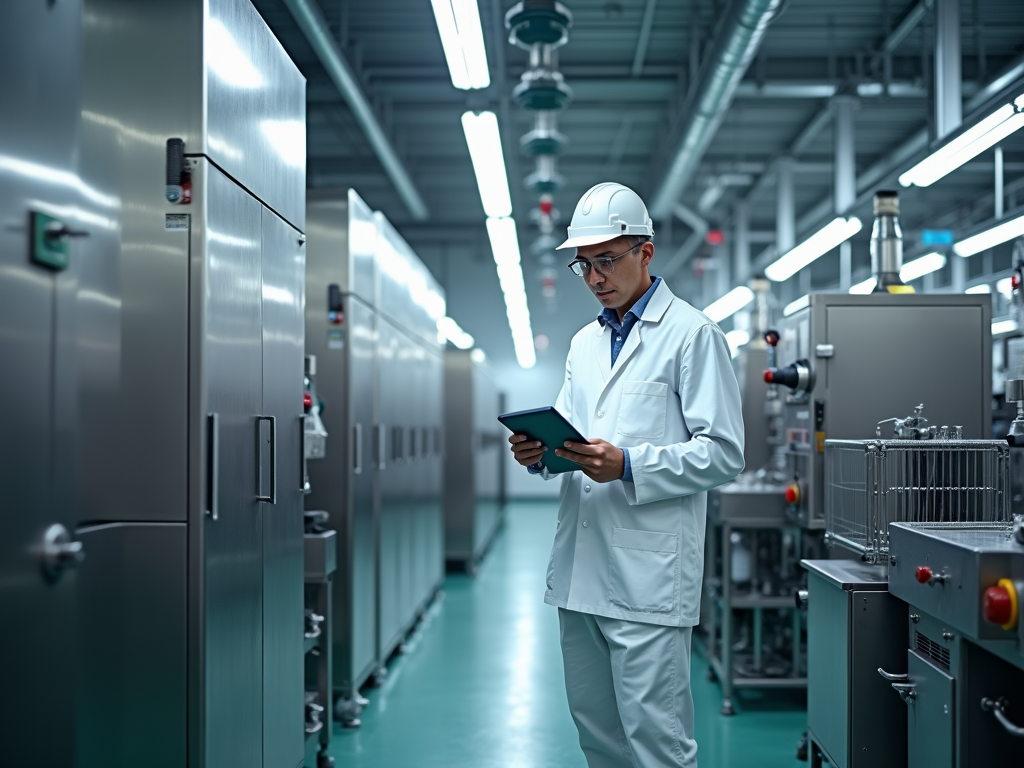
The wrong equipment can stall your entire operation. And picking the wrong manufacturer? That could cost you more than just money. Whether you’re scaling up a small production line or outfitting a full-scale facility, the decisions you make upfront will define how efficiently—and profitably—you run. So, how do you choose the right partner for food processing technology and equipment manufacturing?
Start With the End in Mind
Before diving into specs and pricing, think about what you’re trying to achieve by investing in new food processing technology. Are you trying to increase output? Improve consistency? Automate manual steps? Maybe you’re replacing outdated systems and want to avoid the same issues that caused problems in the past.
Clarifying your goals helps narrow your choices quickly. Not every manufacturer can meet every need. Some specialize in high-speed automation. Others focus more on custom-built solutions for niche processes. You’ll save time if you start with your goals and let them guide your decision-making from day one.
One Size Never Fits All
Every food business has its quirks. From product texture to packaging formats, even small variations can necessitate significant changes in machinery. That’s why the best equipment isn’t always off-the-shelf. It’s often adapted, customized, or even built from scratch to suit your exact operation.
Mass-produced equipment might come at a lower price point upfront, but retrofitting it to fit your line later? That can add major costs down the road. Customizable systems may take longer to deliver, but they typically pay off in the long run through smoother integration and fewer headaches.
If a manufacturer only offers fixed models with little flexibility, take that as a red flag. Your operation shouldn’t have to conform to the machine; it should be the other way around.
Materials Matter—So Does the Build Quality
Let’s talk stainless steel, welds, seals, and finish quality. In food processing, hygiene isn’t negotiable. Every surface that comes into contact with food must be easy to clean, resistant to corrosion, and durable enough to withstand high-volume use.
The best manufacturers use food-grade materials throughout. Look for clean welds, smooth surfaces, and designs that minimize gaps or crevices where bacteria could hide. The devil’s in the details here. Even the slope of a drain tray or the placement of a screw can impact how easily you can sanitize a piece of equipment.
If you’re not sure what to look for, ask if the equipment meets industry sanitation standards. Better yet, request photos or visit the facility if you can. It’ll tell you a lot about how seriously they take hygiene and quality control.
Reliability Is Everything
Breakdowns during a production run can wreck your margins. Lost batches, overtime labor, missed delivery windows—it adds up fast. That’s why reliability should rank higher than just about anything else when picking a manufacturer.
Ask tough questions. What’s the typical lifespan of their machines? How often do they require maintenance? What happens when something goes wrong? Can you get parts quickly? Do they offer remote support or diagnostics?
It’s also worth asking whether the equipment has been field-tested in similar operations. Equipment that works great in theory but fails in real-world environments isn’t worth the investment.
Ask About Scalability
You might not need a massive production line now, but what about in two years? A good manufacturer helps you think ahead. They’ll offer modular systems that can grow with you, rather than forcing you to replace everything when your volume increases.
This could mean equipment that allows for add-ons, upgraded controls, or even the ability to integrate with future automation. Flexibility now means fewer costs and delays when it’s time to expand.
The Importance of Service and Support
Service is often an afterthought until something breaks. But it shouldn’t be. A reliable support system can mean the difference between a minor hiccup and a costly shutdown.
Before you sign anything, find out:
- Response time – How fast can they help if something goes wrong?
- Training – Do they offer training for your staff to avoid common issues?
- Documentation – Are manuals and schematics clear and thorough?
- Spare parts – How quickly can they deliver replacements if needed?
- Remote support – Can they diagnose issues without being on-site?
Working with a team that backs their equipment with strong support gives you peace of mind. You don’t want to be left scrambling when things go off track.
Compliance Isn’t Optional
Food processing equipment must meet stringent safety and sanitation regulations. Ensure the manufacturer thoroughly understands these details. Whether it’s USDA, FDA, or other local compliance requirements, the last thing you want is to fail an inspection due to poorly designed or uncertified equipment.
You can’t afford shortcuts here. Compliance issues can halt production, lead to fines, or even damage your brand reputation. Work with a manufacturer who knows the regulations and builds accordingly.
Know Who You’re Working With
It’s not just about the machines; it’s about the people behind them. How long has the company been in business? Do they have experience with your product type? Can they provide clear communication, timelines, and accountability?
A transparent manufacturer won’t dodge your questions. They’ll walk you through your options, point out possible challenges, and help tailor solutions that make sense for your operation. Trust matters here.
And don’t underestimate the value of ongoing collaboration. The best manufacturers become long-term partners, helping you evolve and grow as your needs change.
Make It a Smart Investment
Yes, price matters. However, when you view equipment as an investment, rather than just a cost, you’ll be better equipped to make informed choices. Think about:
- Total cost of ownership, not just purchase price
- Downtime and how much it could cost you
- Maintenance and repair needs over time
- Ability to upgrade or expand
Cheap equipment that doesn’t perform costs more in the end. On the flip side, expensive gear that’s more than you need today could drain capital you could’ve used elsewhere. The sweet spot? Equipment that balances performance, scalability, and support, without overengineering the solution.
Before You Decide…
If you’re in the process of selecting a manufacturer, don’t rush it. Take the time to visit facilities if possible, ask for references, and speak with other professionals in the industry. There’s a lot riding on your equipment, from safety and consistency to profitability and growth.
Choosing the right partner now saves a lot of pain later. And when you find a team that understands your business, delivers quality, and supports your success? That’s where you want to be.