
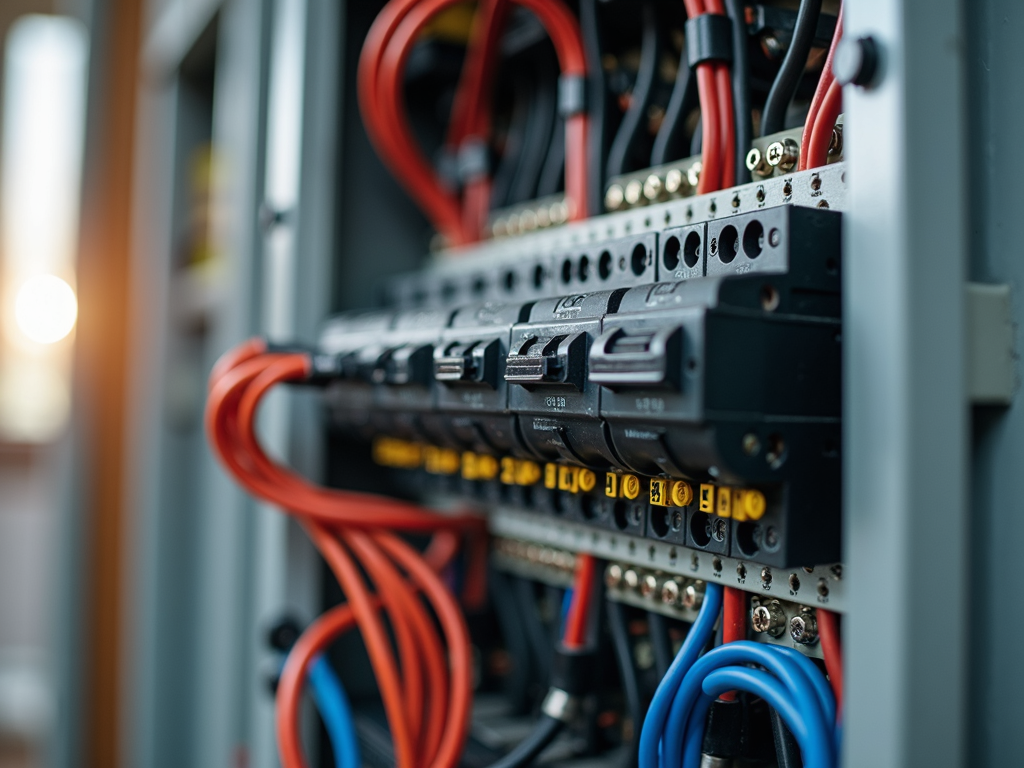
There’s a lot going on behind the scenes when lights turn on, machines start buzzing, or giant factories keep running without a hitch. It’s easy to forget how much skill goes into making sure electricity flows safely where it’s supposed to. That’s where registered electrical contractors come in. They’re the pros who know how to handle wires, sparks, and huge amounts of power without getting hurt or causing big problems.
Keeping Power Safe and Strong
Electricity is powerful and useful, but it can also be dangerous if it’s not handled properly. Registered electrical contractors know exactly how to work with it safely. They’re trained and licensed to follow strict rules so nobody gets shocked or burned and so buildings don’t catch fire because of faulty wiring.
In places like factories, warehouses, or big office buildings, there’s way more electricity moving around than in a regular house. Heavy machines need a ton of power, and there are wires running everywhere in walls, ceilings, and floors. A registered electrical contractor knows how to plan all these connections so the power goes where it’s needed without overloading the system.
Sometimes, companies might want to make sure their electrical work is done by trusted professionals. That’s why they look for someone who’s a registered electrical contractor. It means the contractor is officially approved and has the right skills to handle all kinds of industrial jobs safely and correctly.
More Than Just Wires and Tools
Some people might think electrical contractors only run cables through walls or screw in light fixtures. But their work is much more complicated, especially in industrial places.
They have to study building plans and figure out where to put every wire, socket, switchboard, and piece of equipment. They also calculate how much electricity each machine will use. If the wires aren’t the right size or strong enough, they could heat up too much and start a fire.
Another important job is testing. Contractors check all the circuits and connections to make sure they work safely. They use special tools to measure the flow of electricity and look for hidden problems. Even a tiny mistake could cause power failures, damage expensive machines, or hurt someone working nearby.
Solving Problems When Things Go Wrong
Sometimes, even the best electrical systems run into trouble. A machine might keep shutting off for no reason. Lights might flicker or power might go out in part of a building. That’s when a registered electrical contractor becomes a problem-solver.
They have to figure out what’s causing the issue. It might be a broken wire, a loose connection, or equipment that’s using too much electricity. They check each part of the system until they find the fault. Then they fix it so everything runs safely again.
In big factories, stopping machines for even a few hours can cost a lot of money. So contractors have to work quickly and carefully to keep businesses running.
Working With Big Machines and Systems
In industries, there’s equipment way bigger and more powerful than anything at home. Imagine machines that shape metal, run conveyor belts, or keep huge fridges cold for food storage. These machines often need special wiring and controls so they can operate safely.
Registered electrical contractors know how to handle these big systems. They install switchboards that can control lots of machines at once. They also set up safety switches that shut off power if there’s a problem, preventing accidents.
They have to follow rules called electrical standards, which explain how to build and maintain systems so they’re safe for everyone. Not following these standards could put people in danger or cause expensive damage.
Staying Up to Date
Technology keeps changing, even in the electrical world. New types of machines and ways of saving energy come out all the time. Registered electrical contractors keep learning about these updates so they can work with modern equipment and follow new safety rules.
Some new systems help save electricity or make machines run more smoothly. Contractors learn how to install and test these systems so factories and other businesses can work better and save money.
This means a contractor’s job is never boring. There’s always something new to figure out or a new skill to learn.
Safety Above Everything
Working with electricity can be dangerous, especially when dealing with the high voltage used in factories and industrial buildings. Registered electrical contractors always put safety first. They wear special gear, like gloves and boots that protect against electric shocks. They also use tools with rubber handles to avoid getting hurt.
They plan their work carefully and never guess how things should be wired. Instead, they follow plans, check measurements, and make sure all connections are tight and secure.
If a contractor sees something unsafe, they have to speak up and fix it. Their job isn’t just to install wires but to protect people, buildings, and machines from accidents.
Why Businesses Need Professionals
Some people might think it’s cheaper to hire someone unlicensed or to try doing electrical work themselves. But that’s risky. In factories, one small mistake could damage machines worth thousands of dollars, stop production for days, or even hurt someone badly.
That’s why businesses choose registered electrical contractors. They trust these professionals to do the job right the first time, without cutting corners. It’s not just about following the law—it’s about keeping everyone safe and making sure companies can keep running without interruptions.
Registered contractors also help businesses save money in the long run. Good electrical systems work better, use less power, and last longer. Plus, if inspectors check a factory and find electrical problems, the business might have to pay fines or shut down until the issues are fixed. Hiring a pro from the start helps avoid those problems.
What Makes a Contractor “Registered”?
Not everyone can call themselves a registered electrical contractor. To earn that title, someone has to study and pass tests to prove they understand how electricity works and how to keep people safe. They also have to follow laws and get licenses from official groups that check their skills and work history.
Being registered means a contractor has permission to work on big electrical systems legally. It shows they know how to handle complicated jobs and follow all safety rules. Customers can check licenses to make sure a contractor is officially registered before hiring them.
The Big Picture
Registered electrical contractors might not always be noticed, but they play a huge part in making sure the world keeps running. They bring power safely into buildings, keep machines working, and solve big problems when things go wrong. In places like factories, their knowledge and careful work keep people safe and businesses running smoothly.
They do much more than handle wires and switches. They protect lives, prevent accidents, and make sure power systems are strong and reliable.
Electricity might seem simple because lights turn on with just a flip of a switch. But there’s a world of work behind that switch—and registered electrical contractors are the experts who make sure everything stays safe and bright.
Anyone who’s ever wondered how giant factories keep running, how machines stay powered, or how sparks are kept under control now knows the answer: it’s thanks to these skilled pros who understand wires, sparks, and the true meaning of safety.